

There’s a difference between a home with a high price tag and a home that feels luxurious.
You can fill a room with expensive furniture and still have it fall flat. On the other hand, a beautifully proportioned room with thoughtful lighting, incredible textiles, one great antique and something completely unexpected can feel infinitely more sophisticated.
At Andrea Schumacher Interiors, we have never believed luxury is about putting the most expensive thing in every room. The best interiors feel collected, considered and deeply personal. They have layers. They have character. And, most importantly, they feel like the people who live there.
So what actually makes a home feel expensive? Here are some of the details that make the biggest difference.
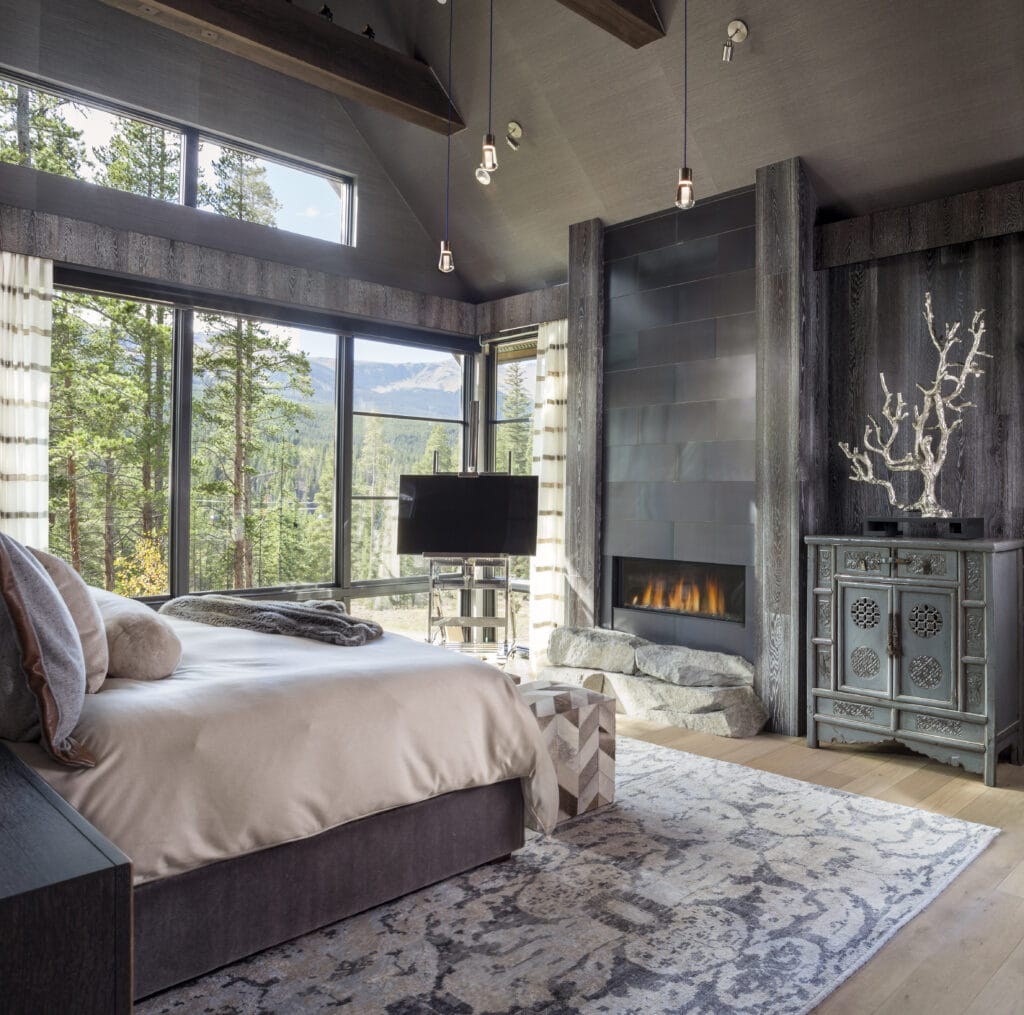
1. Start With Scale and Proportion
Before fabric, art or accessories enter the conversation, a room has to feel right.
One of the quickest ways to make an interior feel elevated is to pay attention to scale. Furniture that is too small can make even a beautiful room feel unfinished, while oversized pieces without enough breathing room can make it feel crowded.
A generously scaled sofa, substantial coffee table or pair of beautifully proportioned chairs can give a room an immediate sense of confidence.
The same principle applies vertically. Drapery should acknowledge the height of the room. Artwork should relate to the wall it occupies. Lighting should feel substantial enough for the architecture around it.
Luxury interior design often begins with getting those proportions right before anyone notices why the room feels so good.
2. Custom Window Treatments Change Everything
There are few things that transform a room as dramatically as beautifully made window treatments.
We love taking drapery all the way to the ceiling whenever the architecture allows it. It elongates the room, softens hard edges and creates a sense of height and permanence.
And then there is the fabric.
A gorgeous linen, embroidered textile, silk or patterned material can become one of the most memorable elements in a room. Details such as pleating, trim, hardware and lining matter too.
Custom drapery is not simply about covering a window. It is part of the architecture of the room.
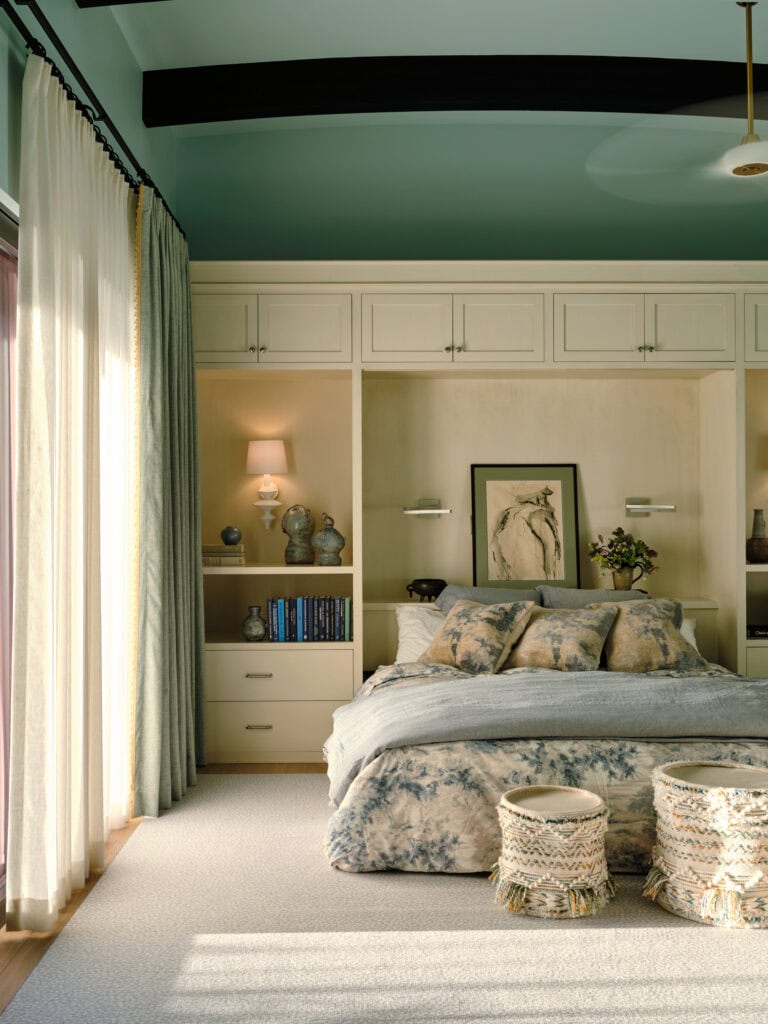


3. Invest in Materials You Want to Touch
Luxury should be tactile.
Natural stone with incredible movement. Hand-finished plaster. A deeply textured wool rug. Mohair upholstery. A beautifully aged piece of wood. Hammered brass.
These materials have dimension and imperfection, and that is often what makes them feel special.
Natural materials also become more beautiful over time. Marble develops a patina. Brass changes. Leather softens. Antiques carry the marks of their history.
We would much rather see a home filled with materials that have depth and character than surfaces selected simply because they look pristine.

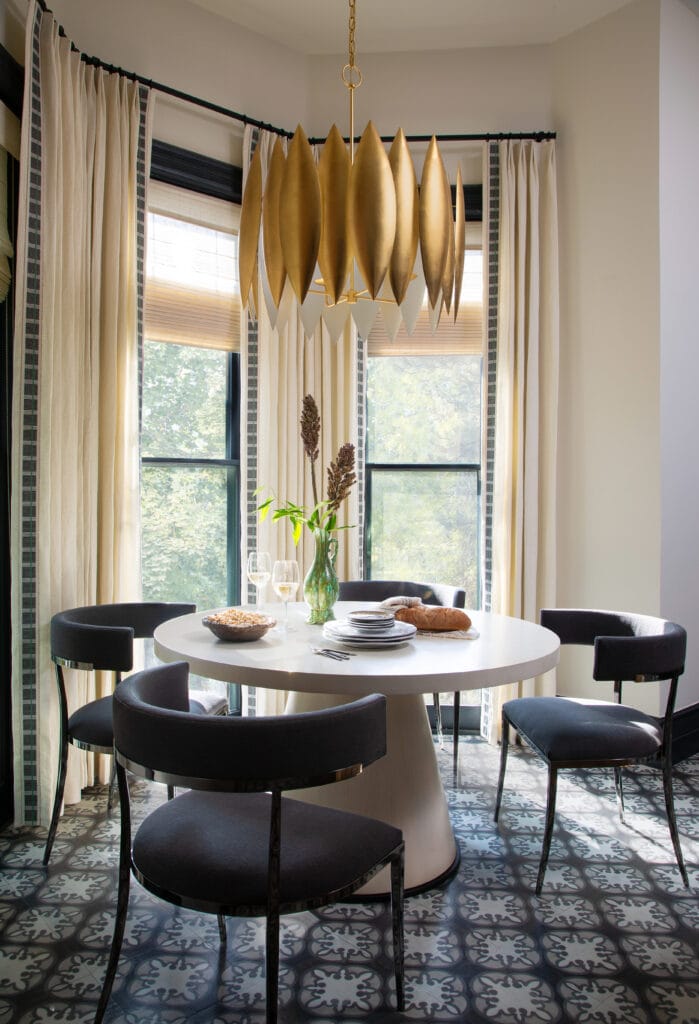
4. Lighting Is Jewelry for the Room
Lighting can completely change the experience of an interior.
A spectacular chandelier can create drama, but luxury lighting is just as much about what you do not immediately notice.
Sconces, table lamps, picture lights, floor lamps and architectural lighting work together to create layers. That is what gives a room atmosphere.
One overhead light rarely creates the warmth or intimacy that makes you want to stay in a space.
We think of decorative lighting almost like jewelry: it can be sculptural, unexpected and sometimes even a little outrageous.
And yes, we are almost always in favor of a dimmer.
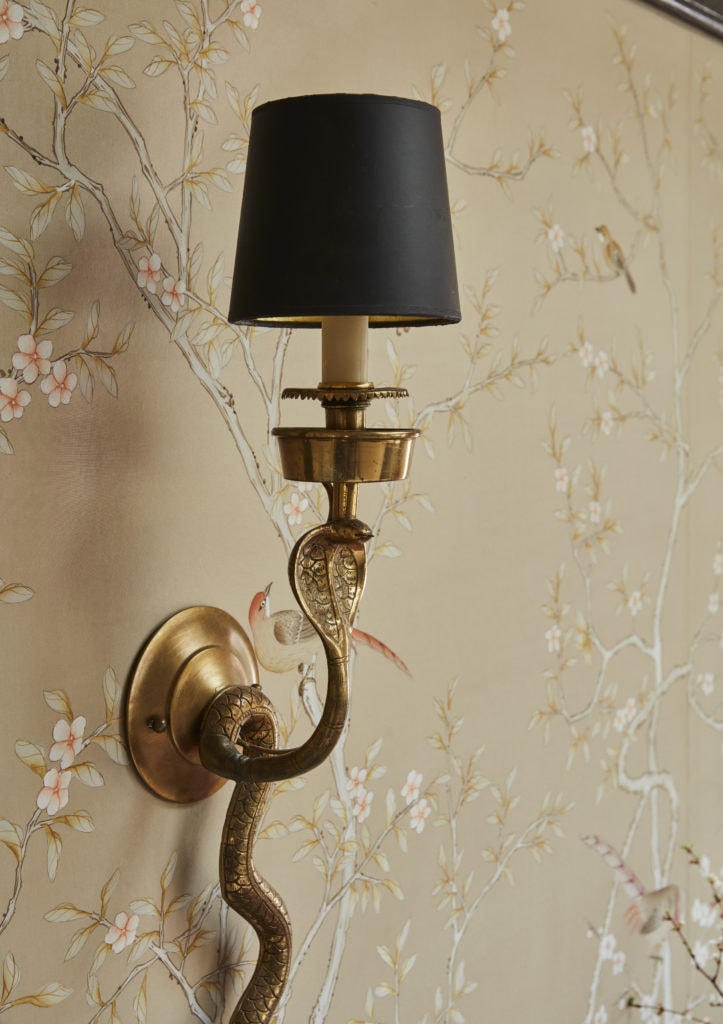

5. Mix Old and New
One of the easiest ways for a room to feel overly designed is when everything looks like it arrived on the same delivery truck.
We love mixing contemporary furniture with antiques, vintage pieces, family heirlooms and objects collected while traveling.
An antique table next to a modern chair immediately creates tension. A contemporary painting above a centuries-old chest makes both pieces more interesting.
Antiques also bring something new furniture simply cannot: history.
You do not need an entire room of important antiques. Sometimes one unusual piece is enough to make the rest of the room feel more collected.
The goal is not perfection. It is personality.
6. Custom Details Make a Home Feel Like Your Home
One of the defining qualities of high-end interior design is customization.
That might mean a sofa designed specifically for the proportions of a room, a hand-painted wallcovering altered to suit a particular color palette, bespoke cabinetry, custom hardware or a one-of-a-kind furniture piece.
These details are often subtle, but together they create a home that could not simply be recreated somewhere else.
The most memorable interiors are not assembled from a catalog. They are developed layer by layer around the architecture, the client and the way they actually live.

7. Art Should Feel Personal, Not Perfect
Art is one of the quickest ways to understand the personality of a home.
We would always rather see something a client absolutely loves than something chosen simply because it matches the sofa.
Great art can challenge the rest of the room. It can introduce a strange color, unexpected scale or completely different point of view.
And art does not have to mean a blue-chip painting.
It could be photography, sculpture, a textile, an inherited object, something discovered while traveling or a piece from a local artist.
What makes it luxurious is not necessarily its monetary value. It is the fact that it feels specific to the person who chose it.

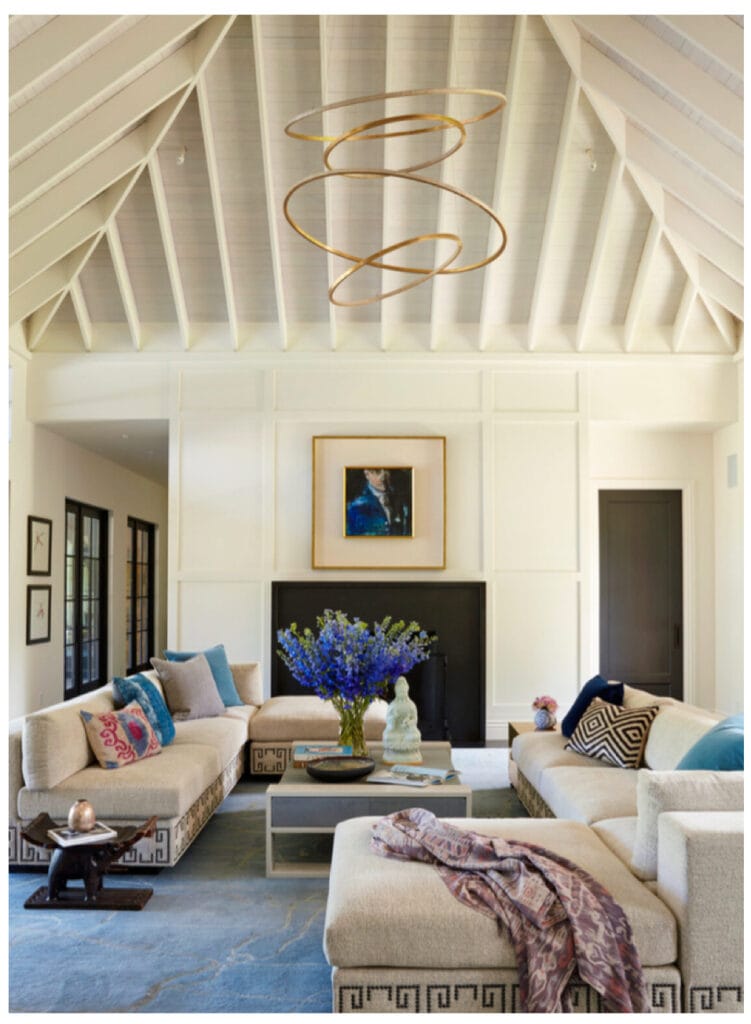

8. Do Not Underestimate Millwork and Architectural Details
Some of the most luxurious elements of a home are the ones you may not notice immediately.
Beautifully designed cabinetry, substantial baseboards, custom paneling, detailed door casings and thoughtful transitions between rooms create a sense of permanence.
These architectural layers help a home feel considered even before furniture enters the space.
When we are involved early in a project, we love working alongside architects and builders to think through those details from the beginning.
The architecture and the interior design should feel like they belong to the same story.

Luxury Interior Design in Denver and Santa Barbara
At Andrea Schumacher Interiors, we create highly personalized residential interiors that balance color, craftsmanship, comfort and a sense of the unexpected.
With studios in Denver and Santa Barbara, our team works with clients on luxury homes throughout Colorado, California and across the country—from full-scale renovations and new construction to furnishing and art placement.
The goal is never simply to make a home look expensive.
It is to create something layered, lasting and completely individual.
Because the greatest luxury is living somewhere that feels unmistakably your own.
Explore more of our work here and follow along on Instagram @andreaschumacherinteriors.
To see behind the scenes of our interior design architect projects and more of our design process, follow us on our socials below!